
Film chemistry
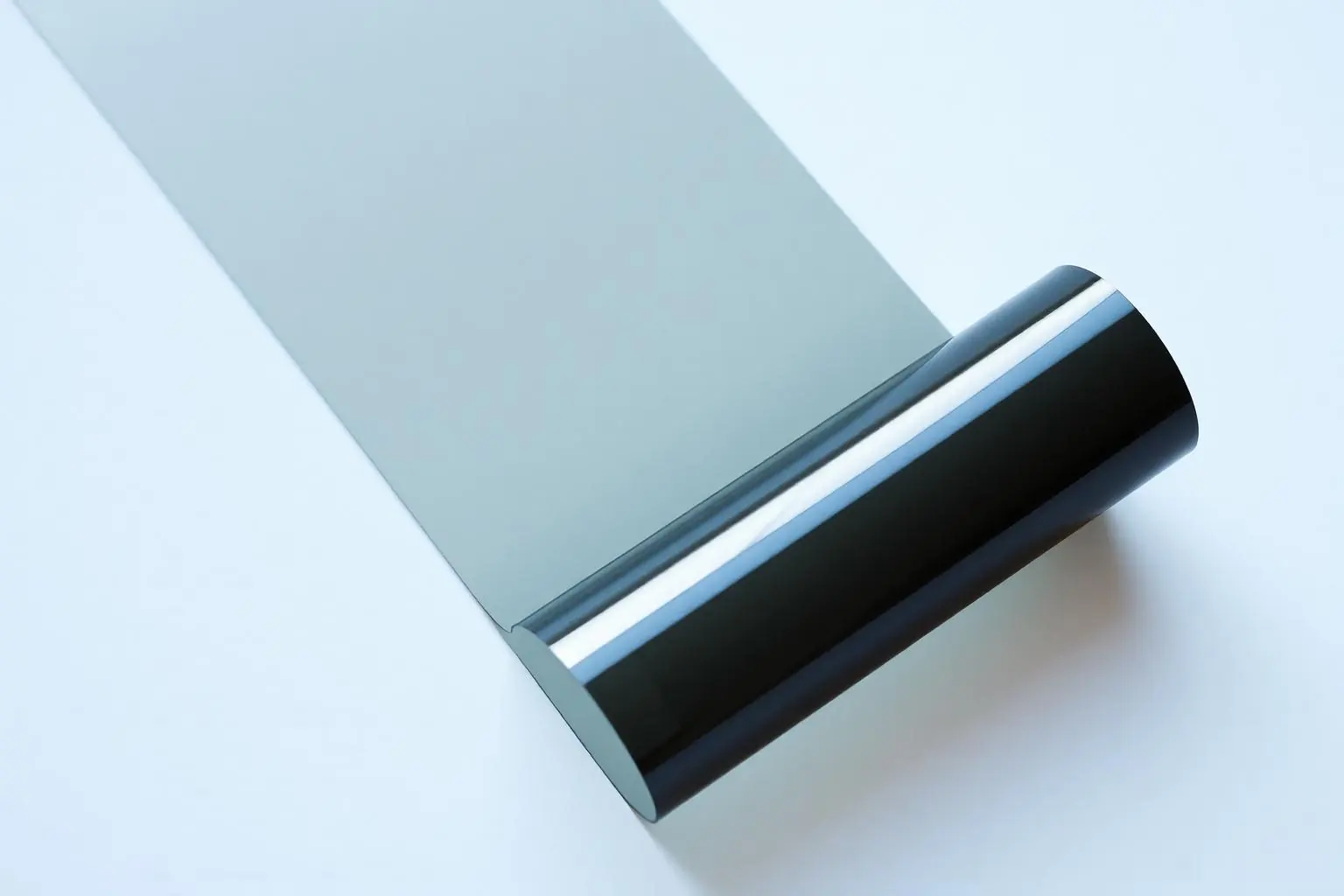
Ceramic vs. dyed window tint.
Dyed film costs less and looks the same on day one. Two summers later, one has held up and the other has turned purple. Here's the honest comparison.
Short answer
Ceramic tint rejects 50–70% of infrared heat, lasts 10+ years, and never fades purple. Dyed tint rejects 15–25%, lasts 3–5 years, and fades. Ceramic costs 2–3x more up front — pick it if you're keeping the car more than two summers.
| Attribute | Ceramic | Dyed |
|---|---|---|
| Heat rejection (IR) | 50–70% | 15–25% |
| UV block | 99% | 99% (fades over time) |
| Signal interference | None | None |
| Colour stability | Never fades purple | Fades purple in 2–4 years |
| Scratch resistance | High | Moderate |
| Lifespan | 10+ years | 3–5 years |
| Cost per window | $$$ | $ |
Pick ceramic if…
- You want the car to stay cool in summer.
- You keep vehicles more than 3 years.
- You care about signal-clean glass (GPS, cellular, LTE).
- You never want to see purple film again.
Skip dyed if…
- You're keeping the car more than 2 years.
- You park in the sun most days.
- You'd be annoyed if the film changed colour.
We don't sell dyed film — it's included here for context.
See ceramic prices for your car
Every kit we ship is ceramic. Pick your year, make and model.
Keep reading
- Read
Precut tint cost in Canada
$180–$390 DIY vs $350–$800 at a shop.
- Read
How to install precut tint
7 steps, 2–4 hours, no knife on your glass.
- Read
Cleaning glass before tinting
One shot at it — soapy water, two passes, never blade the defroster.
- Read
Heat-shrinking curved glass
Shrink on the outside, liner on, before it goes in the car.
- Read
Shade guide (VLT %)
What 5%, 20%, 35% and 50% actually look like.
- Read
Find precut tint for your vehicle
Search 2,197 Canadian-fit vehicles, 1959–2026.